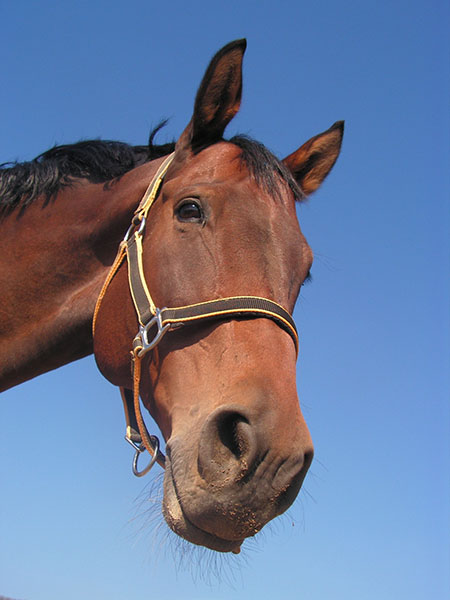
There are visual signs that a horse is underweight and to varying degrees. The ribs can be easily seen and felt, tail head is quite prominent, a ridge down the back and prominent back bone, bones in the neck may be quite easy to see.
Some reasons for poor condition:
- There may be dental issues indicated by dropping feed while chewing, facial swelling, weight loss, bad smelling breath. Consult an Equine dentist.
- The horse may have a parasite infestation which is indicated by a dull coat, itchy tail head and a reduced appetite. There are a wide range of worm medications available in the fodder store and consider pasture management and faecal egg counts.
- Stress can be a factor in weight loss and is expressed by pawing, chewing and biting, fence or stable walking. To reduce stress, increase social contact and time out in pasture, consider small frequent feeding throughout the day, access to more roughage.
- Disease or illness can interfere with weight gain and a horse’s appetite as well as affect the nutrient absorption in the digestive system. Consultation with a vet may be beneficial.
- Gastric ulcers can cause discomfort, poor appetite and weight loss. There may also be an attitude change in the demeanour of the horse. Some strategies include more free access to pasture and hay, more frequent smaller meals or feeding a small amount of lucerne 30 min before exercise acting as a buffering to gastric acid. Vet treatment for the ulcer.
- Sounds obvious but it may be a result of not having enough feed. Just like humans, some horses have a faster metabolism and need a higher calorie intake to maintain weight and energy. Adhere to feeding recommendations if using a pre-packaged bagged feed, don’t underestimate the size, weight and nutrition needs of your horse. ‘Poor Doers” may have difficulty keeping weight on and easily lose weight especially as the weather turns cold, necessitating the use of a rug during colder times of the year.







NEW FROM JOHNSON’S AND NOW AT SANDERS FODDER!
Meet LiteCut Controlled Sugar Hay and SafeBlend Metabolic Chaff, two new additions to our Johnson’s Natural Formula range!
LiteCut Controlled Sugar Hay
A fibre-focused hay with a typical 12–14% NSC, offering a controlled sugar and starch option for easy keepers, horses in light-to-moderate work and those needing moderate dietary management.
SafeBlend Metabolic Chaff
A long-cut chaff option for owners and trainers who prefer a longer texture in the feed bin. Formulated to deliver less than 10% NSC, SafeBlend is designed for diets requiring tighter sugar and starch control. It’s also steam-cut and dust-extracted.
Comparing options with your usual hay or teff? Pop in to see the new products and chat with us about the feed analysis and pricing.
📍 2 TwentyThird Street, Gawler South
✉️ [email protected]
#SandersFodder #JohnsonsNaturalFormula #LiteCut #SafeBlend #HorseFeed #EquineNutrition #HorseHay #Gawler #SouthAustralia ... See MoreSee Less
5 CommentsComment on Facebook
A cleaner, easier stable starts with the right bedding
Proteq Equine Bedding is a premium natural pine pellet bedding designed to create a comfortable, clean and easy-to-maintain stable environment.
Highly absorbent, low dust, compost friendly and Australian made, Proteq expands after adding water to form a soft, supportive bedding surface with the initial setup taking around 30 minutes.
We’re proud to stock Proteq Equine Bedding here at Sanders Fodder.
📍 2 TwentyThird Street, Gawler South
📩 [email protected]
Pop in and have a look next time you’re in store.
#Proteq #ProteqEquineBedding #SandersFodder #EquineBedding #HorseCare #StableManagement #HorseOwners #Gawler #SouthAustralia ... See MoreSee Less
0 CommentsComment on Facebook
COBBER WORKING DOG COMPETITION!
Think you’ve got a good eye? Guess how many Cobber biscuits are in the jar for your chance to WIN!
Simply purchase 1 bag of Cobber Working Dog in-store during September to enter.
Correct guess: WIN 3 FREE bags
Closest guess: WIN 2 FREE bags
Have a look at the jar, lock in your guess and you could be taking home some free Cobber!
Competition runs 1st–30th September only
Enter in-store at Sanders Fodder
Good luck!
#SandersFodder #CobberWorkingDog #CobberDogFood #WorkingDogs #Competition #GawlerSouth ... See MoreSee Less
Call Now
Sanders Fodder
tel:+61885224450
Selling food and supplies for animals large or small. Along with rural, garden, tack & animal health1 CommentsComment on Facebook
SEPTEMBER POULTRY PROMO!
From 1st–30th September, purchase any 2 Barastoc Poultry products in-store and receive a FREE Barastoc feed scoop! 💛
Whether you’re topping up on Grain Mix, Golden Yolk, Free Range or another favourite from the Barastoc poultry range, it’s the perfect time to stock the feed shed and grab a handy scoop while you’re at it.
1st September – 30th September
Buy any 2 Barastoc Poultry products
Receive 1 FREE Barastoc scoop
Available at Sanders Fodder, Gawler South while stocks last.
One scoop per transaction. While stocks last.
#SandersFodder #Barastoc #BarastocPoultry #BackyardChickens #ChickenKeeping #PoultryFeed #Gawler #GawlerSouth #SouthAustralia ... See MoreSee Less
0 CommentsComment on Facebook
DON’T MISS OUT! 20% OFF THESE BAINBRIDGE PRODUCTS!
Our August Bainbridge Sale is still on, with 20% off selected Bainbridge products while current stock lasts!
From hay feeders and anti-tip feeders to other handy stable essentials like mounting steps. It’s a great chance to grab some quality gear and save while you’re at it.
Sale ends 31 August, so make sure you pop into Sanders Fodder before the month is over!
#Bainbridge #BainbridgeSale #AugustSale #TwentyPercentOff #HorseSupplies #StableSupplies #EquestrianSupplies #HorseOwners #GawlerSouth #SandersFodder #ShopLocalSA ... See MoreSee Less
0 CommentsComment on Facebook