

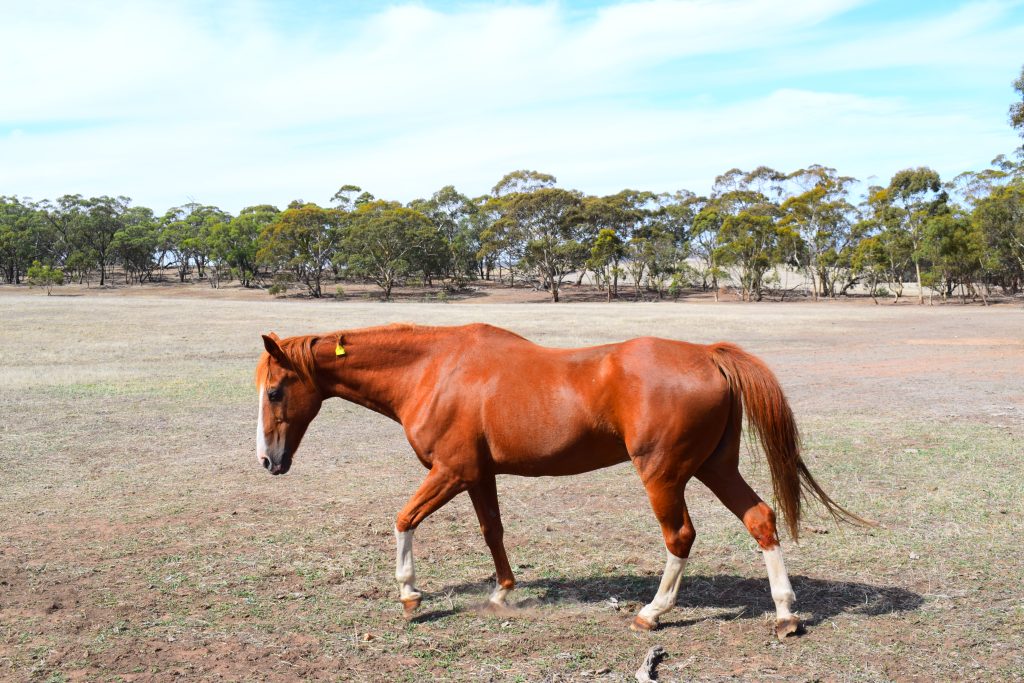
Fibre Alternatives – when hay is in short supply
Ideally horses need 2 – 5 % daily of their bodyweight in fibre, This would usually be in the form of forage (pasture), cereal hay, chaff Some other forms of fibre are provided in packaged feeds and can be used to top-up in case of low supply or poor quality traditional fibre sources. Lucerne hay …
Continue reading “Fibre Alternatives – when hay is in short supply”

The underweight Horse
There are visual signs that a horse is underweight and to varying degrees. The ribs can be easily seen and felt, tail head is quite prominent, a ridge down the back and prominent back bone, bones in the neck may be quite easy to see. Some reasons for poor condition: There may be dental issues …

Tips for Keeping Your Animals Cool
Just like people, our four and two legged friends feel the hot weather. Access to cool drinking water and shade are essential to help their bodies regulate.
Tips for Keeping Your Animals Cool
Just like people, our four and two legged friends feel the hot weather. Access to cool drinking water and shade are essential to help their bodies regulate.
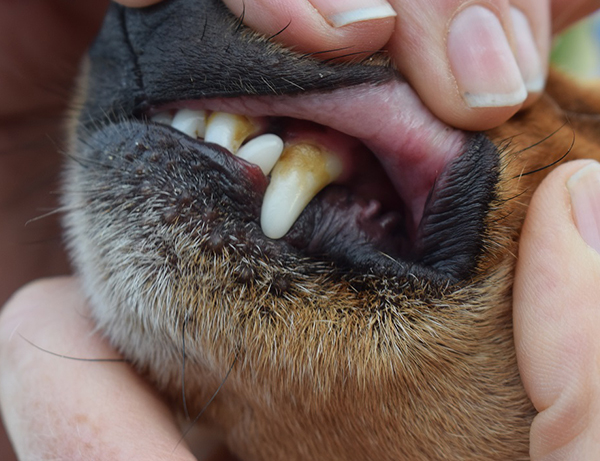
Doggie Dental Care
Ensuring your dog has healthy gums and teeth is the most important step toward making sure they get the most benefit out of their food.
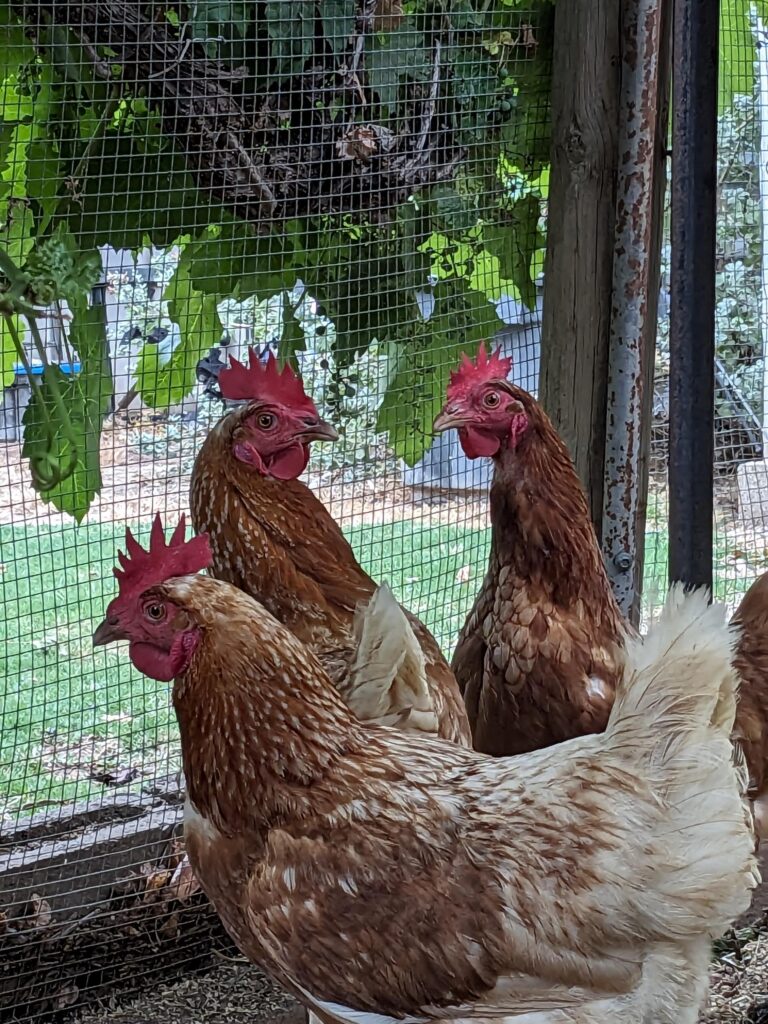
Laying Hens – What are the basics?
Laying hens -what are the basics? Feeding: A laying hens’ health and egg production depend on a balanced diet. Chickens are omnivores therefore their diet does not consist of food scraps alone but includes a meat content. You will also see that spiders and creepy crawlys will not survive long in a chicken coop, even …
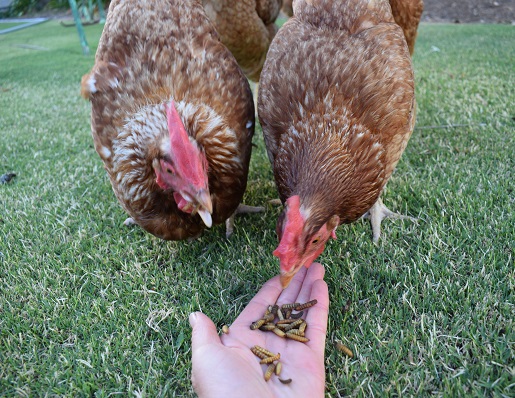
Winter in the henhouse – by Barastoc Poultry
Crisp mornings and cosy evenings are here again! Winter is a wonderful time of year to take stock and catch up on some rest after the busy summer and autumn months. And it’s no different for your chickens after a demanding season of laying eggs. Many people are surprised to find that chickens are quite …
Continue reading “Winter in the henhouse – by Barastoc Poultry”
Tips for Keeping Your Animals Cool
Just like people, our four and two legged friends feel the hot weather. Access to cool drinking water and shade are essential to help their bodies regulate.
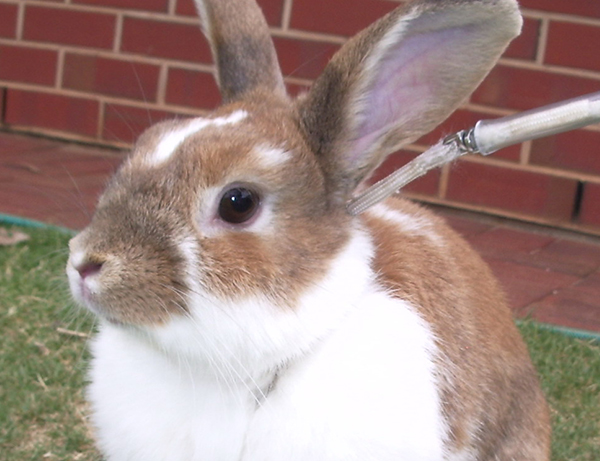
Rabbit Nutrition
Rabbits have evolved to survive on a low nutrient diet that other animals would starve on. Therefore they do not need foods rich in nutrients and in fact such a diet will not be good for the gut of a rabbit.
Tips for Keeping Your Animals Cool
Just like people, our four and two legged friends feel the hot weather. Access to cool drinking water and shade are essential to help their bodies regulate.
Tips for Keeping Your Animals Cool
Just like people, our four and two legged friends feel the hot weather. Access to cool drinking water and shade are essential to help their bodies regulate.
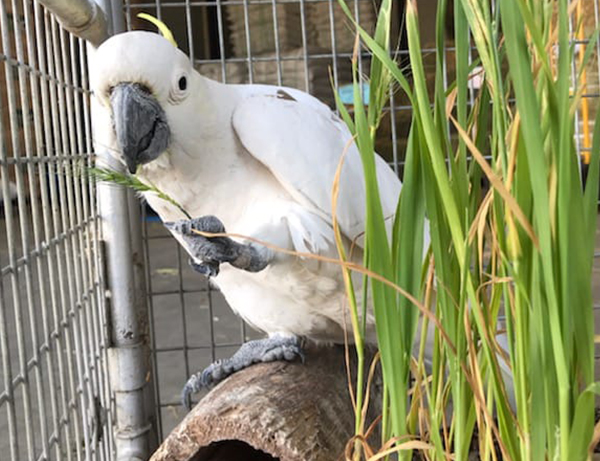
Benefits of Sprouted Seeds
Sprouted seeds are an extremely valuable and nutritious addition to a bird’s diet. Most birds find it very palatable and the nutrients are more readily digested than dry seed.

Winter Veggies
Planting Winter Vegetables (Words provided from our friends at neutrog.com.au) June and July present an ideal time to start planting out your vegetable garden with spring vegies. There is a great selection of vegetables to choose from depending on your climate such as silver beet, broad beans, cabbage, spinach, onions, leeks, potatoes, turnips, and beetroots. …
 Horse
Horse Sheep
Sheep Cattle
 Dog
Dog Cat
Cat Poultry
 Fish
Fish Rabbits
 Birds
Birds Native
 Garden


🐣🍫 Easter Treats Can Be Toxic for Pets – Keep Chocolate Out of Reach! 🍫🐾
With Easter celebrations in full swing, it’s important to remember: while chocolate is a delicious treat for us, it can be dangerous—even life-threatening—for our pets.
🚨 Why is chocolate toxic?
Chocolate contains theobromine and caffeine, which pets (especially dogs) can’t process effectively. Even small amounts can lead to serious illness.
⚠️ Signs of chocolate poisoning include:
• Vomiting or diarrhoea
• Restlessness or hyperactivity
• Rapid breathing or heart rate
• Tremors or seizures
✅ How to keep your pets safe:
• Store chocolate well out of reach
• Remind children not to share treats with pets
• Keep Easter egg hunts pet-free
📞 Worried your pet has eaten chocolate?
Contact us on 7231 3000 immediately—early treatment is critical.
Let’s make Easter safe and happy for every member of the family—especially our furry ones! 🐶🐱💛 ... See MoreSee Less
0 CommentsComment on Facebook
Easter hours
#chalkboardspecials ... See MoreSee Less
0 CommentsComment on Facebook
... See MoreSee Less
6 CommentsComment on Facebook
It's a tough life for some 😊🐈
#maisieshopcat ... See MoreSee Less
2 CommentsComment on Facebook
Further information and application here:
www.sandersfodder.com.au/employment/ ... See MoreSee Less
2 CommentsComment on Facebook